The Science of Visual Merchandising: Bridging Tradition and Technology to Boost E-Commerce Sales
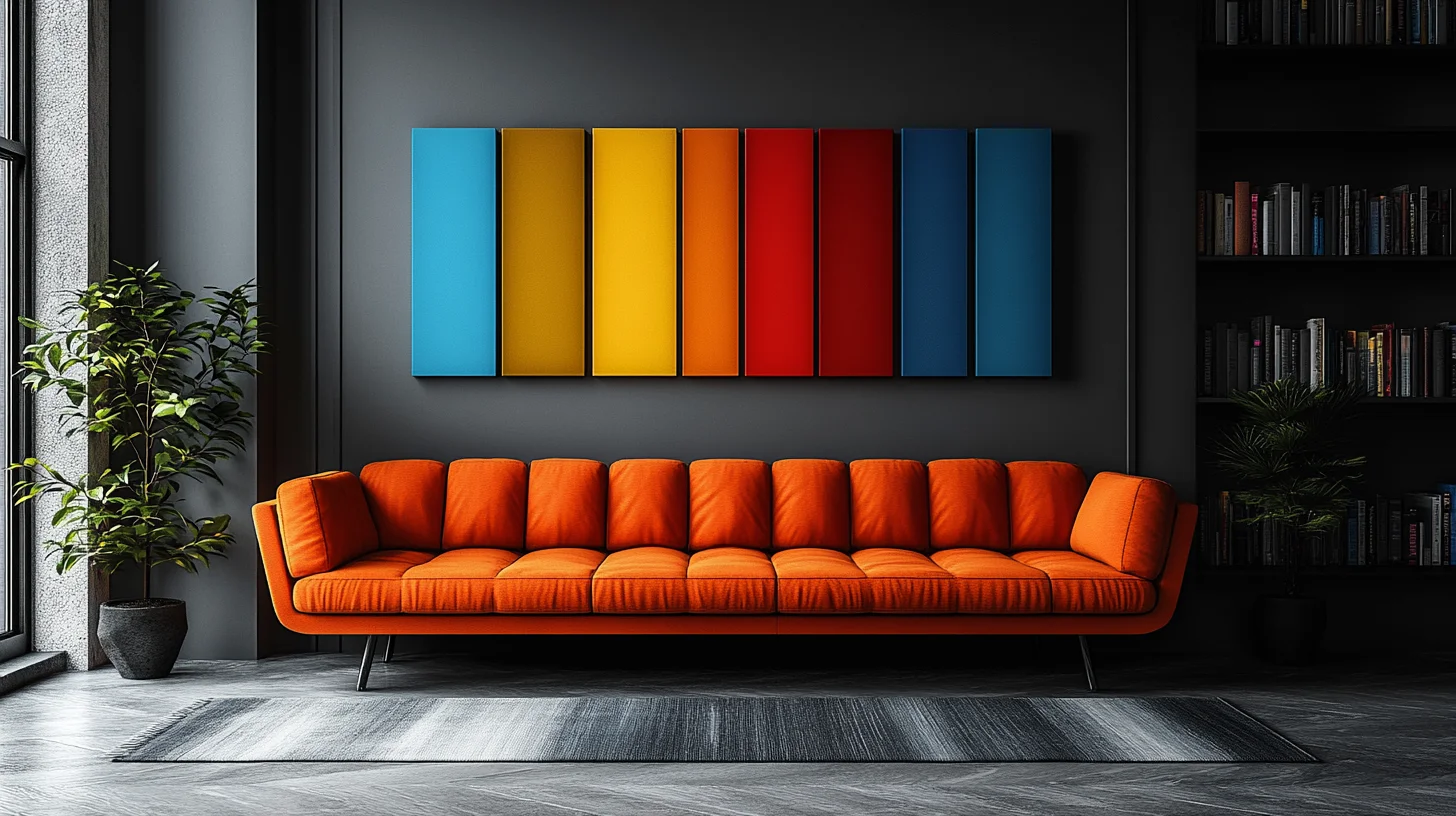
Introduction to Visual Merchandising in E-Commerce
Visual merchandising has long been the cornerstone of retail success, evolving from brick-and-mortar store displays to sophisticated digital experiences. For e-commerce retailers and merchandising professionals, especially those in furniture and home decor, understanding the science behind visual merchandising is crucial.
It's not just about pretty pictures; it's about creating immersive experiences that drive conversions. According to a study by Shopify, high-quality product images can increase conversion rates by up to 30%.
But to truly harness this power, we must connect traditional merchandising principles with modern technology, focusing on strategies that increase buyer confidence and reduce returns.
In this comprehensive guide, we'll delve into the psychology of visual merchandising, explore its impact on e-commerce sales strategies, and provide actionable insights on leveraging product visualization to close the confidence gap between online shoppers and their purchases. Whether you're optimizing for AI-powered visual merchandising for home decor or refining your overall approach, these insights will help you thrive.
The Psychology Behind Visual Merchandising
At its core, visual merchandising taps into human psychology. Our brains process visuals 60,000 times faster than text, as per research from 3M Corporation. This means that effective product visualization can evoke emotions, build trust, and influence decision-making in seconds. Ever wondered why a simple image can make you click 'buy'? It's all about that instant connection.

Key Psychological Principles
Emotional Connection: Visuals help customers imagine ownership. For instance, showing a sofa in a cozy living room setting allows buyers to emotionally connect, increasing the likelihood of purchase. Think about how this sparks joy—much like browsing your favorite store.
Cognitive Ease: Clear, detailed visuals reduce mental effort. When shoppers can easily visualize a product in their space, it minimizes uncertainty—a major barrier in online shopping.
Social Proof and Aspiration: Curated displays that mimic real-life scenarios provide social validation, making products more desirable. Who hasn't aspired to that perfectly styled Instagram-worthy home?
Data from Baymard Institute reveals that 22% of online shoppers abandon carts due to inadequate product information, often visual. By addressing this through strategic visual merchandising, retailers can significantly boost e-commerce sales strategies. For more on shopper psychology, check out our related post on Understanding Online Buyer Behavior.
Traditional Merchandising Principles: Foundations for Digital Success
Before diving into technology, let's revisit the roots. Traditional visual merchandising, pioneered in physical retail, offers timeless lessons that apply seamlessly to e-commerce. These aren't outdated ideas; they're the bedrock of modern strategies.
Core Traditional Principles
Hierarchy of Display: Prioritize key products with prominent placement. In digital terms, this means featuring hero images and zoomable details on product pages. Start with your best-sellers to grab attention right away.
Color and Lighting: Use color theory to evoke moods—warm tones for comfort in home decor. Proper lighting highlights textures, crucial for fabrics and materials. Imagine how a well-lit photo can make a velvet chair irresistible.
Storytelling Through Arrangement: Group products to tell a story, like a complete bedroom set, encouraging upsells. This narrative approach keeps shoppers engaged longer.
These principles, when adapted online, create a virtual storefront that feels intuitive and engaging. A Nielsen Norman Group study found that users form opinions about a website in 0.05 seconds, largely based on visuals—underscoring the need for polished, principle-driven design. To see this in action, explore resources from Nielsen Norman Group.
The Impact of Product Visualization on Sales
Product visualization isn't a buzzword; it's a proven driver of sales. By allowing customers to see products from multiple angles, in context, or even customized, it directly addresses pain points in e-commerce. And the results? They're game-changing.
Quantifiable Benefits
Increase Buyer Confidence: High-fidelity visuals let shoppers assess fit, scale, and style, reducing hesitation. Forrester Research reports that interactive visuals can boost confidence by 40%, leading to higher conversion rates.
Reduce Returns: Misvisualized products lead to dissatisfaction. Effective visualization cuts returns by up to 35%, per a Statista survey, saving costs and improving customer satisfaction.
Enhance Engagement: Interactive elements keep users on-site longer, with Google data showing a 20% increase in time-on-page for sites with rich media.
For furniture and home decor brands, where size and context matter immensely, product visualization impact is even more pronounced. Shoppers often struggle to imagine how a lamp fits on their nightstand—visual tools bridge this gap. (Insert infographic here: 'Top Benefits of Product Visualization in E-Commerce' – showing stats on confidence, returns, and engagement.)
Connecting Traditional Principles with Modern Technology
The unique power of today's visual merchandising lies in merging classic techniques with innovative tech. This fusion creates a visual commerce strategy that's both familiar and forward-thinking. Ready to see how?
Modern Tools and Technologies
360-Degree Views and Zoom: Building on traditional display hierarchy, these allow detailed inspection, mimicking in-store browsing. It's like holding the product in your hands—virtually.
Augmented Reality (AR) Integration: AR lets users place virtual products in their real environment, extending storytelling principles into the customer's home. Picture trying out a new rug in your living room via your phone.
AI-Powered Product Previews: AI analyzes user data to generate personalized visualizations, like suggesting color matches based on room photos. This tech enhances cognitive ease by predicting and displaying optimal scenarios, making AI-powered visual merchandising for home decor a must-have.
A report by Gartner predicts that by 2025, 80% of B2C companies will use generative AI for customer experiences, including visualizations. For e-commerce managers, adopting these closes the confidence gap, turning abstract product listings into tangible previews.
Case Study Insights
Consider IKEA, a leader in furniture retail, who integrated AR through their app. Customers can visualize furniture in their homes, blending traditional storytelling with tech—this led to a reported 20% increase in conversion rates and fewer returns, as per their internal data.
Another example: Wayfair implemented AI-powered product previews, allowing users to upload room photos for customized suggestions. This resulted in a 25% uplift in sales and a 15% drop in returns—data echoed in industry benchmarks from McKinsey. Or take West Elm, which used 360-degree views combined with color grouping, boosting average order value by 40% through effective upselling. These real-world successes show how bridging tradition and tech pays off.
Implementing a Visual Commerce Strategy
Ready to apply this? Here's a step-by-step guide tailored for e-commerce retailers in furniture and home decor. Let's make it practical and straightforward.
Step 1: Audit Your Current Visuals
Evaluate image quality, angles, and context. Ask: Do they tell a story?
Use tools like heatmaps to see where users focus. (Embed video tutorial here: 'How to Conduct a Visual Audit' from our YouTube channel.)
Step 2: Incorporate Traditional Principles
Design product pages with hierarchy: Hero image, lifestyle shots, details.
Apply color theory—test A/B variations for engagement. What if a simple tweak doubles clicks?
Step 3: Integrate Technology
Start with accessible tools like 360-spin photography.
Advance to AI-powered product previews for personalization.
Ensure mobile optimization, as 50% of e-commerce traffic is mobile (per Statista). Don't let poor mobile views lose you sales.
Step 4: Measure and Optimize
Track metrics: Conversion rates, return rates, time-on-site.
Use analytics to refine—e.g., if AR views correlate with sales, invest more. Iterate based on data for continuous improvement.
By following this, you'll create a robust visual commerce strategy that leverages product visualization impact to drive measurable results.
Overcoming Common Challenges
Implementing visual merchandising isn't without hurdles. High-quality visuals require investment, and tech integration can be daunting. But with the right approach, you can overcome them.
Budget Constraints: Start small—focus on top-selling products. Scale as you see ROI.
Technical Barriers: Partner with user-friendly platforms that explain features simply. No need for a tech degree!
Data Privacy: Ensure AI tools comply with regulations like GDPR. Build trust by being transparent.
Addressing these proactively ensures a smooth transition, maximizing ROI. For tips on budget-friendly tech, read our post on Affordable AI Tools for Retailers.
The Future of Visual Merchandising
As technology evolves, so will visual merchandising. Emerging trends like virtual reality showrooms and AI-driven hyper-personalization promise even greater immersion. Imagine a fully virtual store where customers 'walk' through curated displays. For decision-makers at furniture brands, staying ahead means embracing these innovations while grounding them in proven principles.
In summary, the science of visual merchandising combines psychological insights, traditional techniques, and modern tech to increase buyer confidence, reduce returns, and elevate e-commerce sales strategies. By closing the confidence gap through AI-powered product previews and thoughtful visualization, retailers can achieve sustainable growth. What are you waiting for? Start transforming your strategy today.